Calcutta and Darjeeling
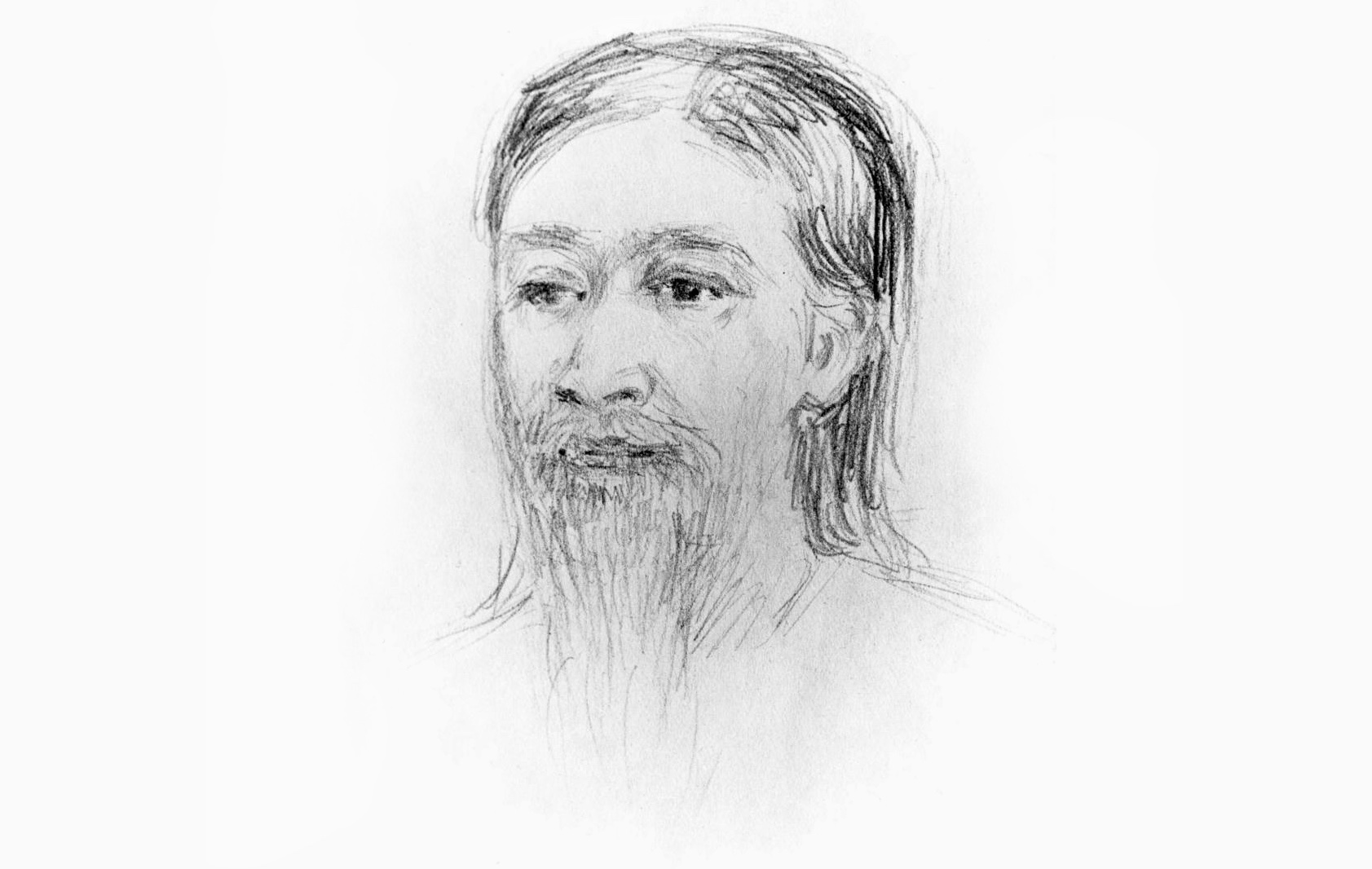
Born in Calcutta on 15 August 1872, Aurobindo spent his earliest school years in Darjeeling before travelling to England with his brothers in 1879.
 Sri Aurobindo SocietyLUCKNOW · GOMTI NAGAR CENTRE
1872–1950 · A CHRONOLOGICAL PORTRAIT
The story of a poet, revolutionary and yogi—moving from India to England and back, from political action to a spiritual work for the transformation of life.
“Man is a transitional being, he is not final.”— Sri Aurobindo · CWSA Vol. 12, p. 157
CHAPTER 01 · 1872–1893
A childhood divided between India and England formed a remarkable command of languages, literature and European thought—while a quiet resolve to serve India was taking shape.
Born in Calcutta on 15 August 1872, Aurobindo spent his earliest school years in Darjeeling before travelling to England with his brothers in 1879.
At St. Paul’s he excelled in the classics, read widely in European literature and history, wrote poetry, and taught himself several languages.
He won a classical scholarship to King’s College, distinguished himself in Greek and Latin, and became active in the Indian Majlis. An appointment in the Baroda Service brought him home in 1893.
CHAPTER 02 · 1893–1910
The Baroda and Calcutta years united scholarship, revolutionary action and the first decisive movements of Yoga.
During thirteen years in Baroda he served the State, taught at Baroda College and immersed himself in Sanskrit, Bengali and India’s spiritual and literary inheritance.
Beginning around 1904, his early Yogic practice brought new concentration and creative force. His search was joined to the aspiration for India’s freedom.
From 1906 he became a leading voice of the nationalist movement, openly advocating complete independence through journalism, education and political organisation.
In January 1908, guided briefly by Vishnu Bhaskar Lele, he entered an enduring silence of mind that transformed the basis of his inner life.
Arrested in May 1908, he spent a year as an undertrial prisoner. Meditation on the Gita and Upanishads opened profound experiences of the Divine present in all beings and circumstances.
An inner command led him first to Chandernagore and then to Pondicherry, where he arrived on 4 April 1910 and withdrew from active politics to pursue his spiritual work.
CHAPTER 03 · 1910–1950
Four decades of concentrated spiritual research unfolded into a far-reaching philosophy, a community of seekers and a vision of humanity’s evolutionary future.
Retirement from politics was not a retreat from the world. Sri Aurobindo described a spiritual action operating behind outward events and kept close watch on India and the world.
Mirra Alfassa first met Sri Aurobindo in 1914 and returned permanently in 1920. Their collaboration became the living centre of the work of Integral Yoga.
Through the journal Arya and later works, he developed a many-sided vision expressed in The Life Divine, The Synthesis of Yoga, Essays on the Gita, Savitri and many other writings.
On 24 November 1926, a decisive spiritual realisation marked a new phase. Sri Aurobindo withdrew from daily contact and the Mother assumed full charge of the community that became the Ashram.
Integral Yoga seeks discovery of the Divine within and a transformation of mind, life and body through a higher consciousness—not an escape from earthly existence.
Sri Aurobindo left his body on 5 December 1950. His work continues as an invitation to participate consciously in the next movement of human evolution.